May 7, 2026
Entering the world of automotive repair often feels like stepping into a complex maze of technical jargon and mechanical uncertainty. For many drivers, the necessity of visiting auto body shops arises during moments of stress, typically following a collision or discovering a deep scratch on a pristine fender. Understanding the journey your vehicle takes from the initial assessment to the final polish can alleviate much of the anxiety associated with these visits. These establishments specialize in the aesthetics and structural integrity of a vehicle, ensuring that every curve and panel returns to its original condition.
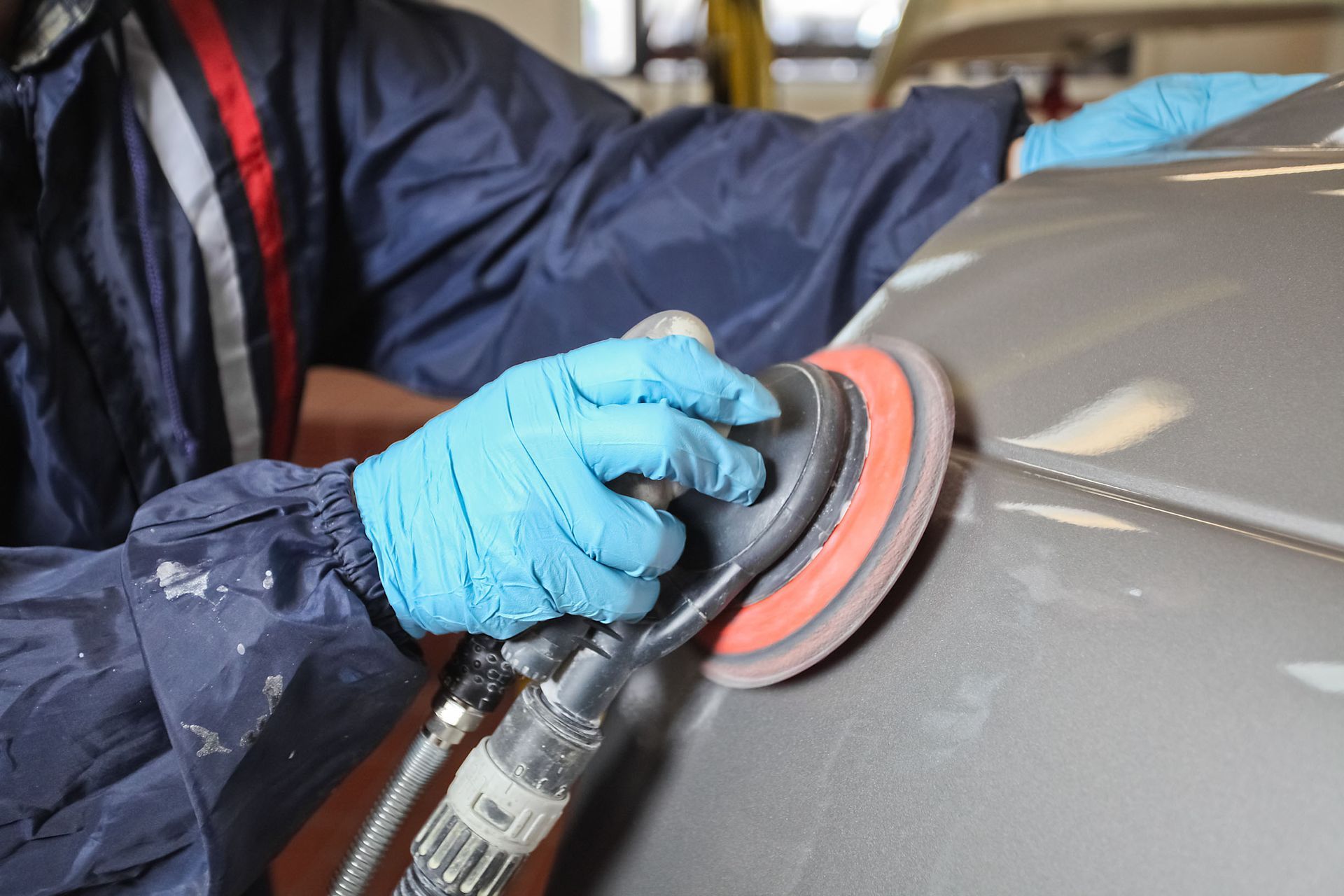
The atmosphere within professional auto body shops is one of precision and focused labor. You will likely see technicians masked against paint fumes and the rhythmic sounds of sanding blocks smoothing out imperfections. This environment is designed to merge the artistry of paint matching with the brutal force required for frame straightening. When a vehicle sustains damage, the impact often ripples through the structure in ways that are invisible to the naked eye. Professionals in this field are trained to look beyond the surface, identifying hidden weaknesses that could compromise safety during future travels.
Receiving Initial Damage Assessments
The journey begins with a comprehensive evaluation of the exterior damage. Upon arrival, a service writer or estimator will examine the vehicle under bright lights to catch every dent and crease. This phase is crucial because it sets the financial and temporal expectations for the entire project. They will document the areas requiring attention and discuss the potential for hidden structural issues that may only become apparent once the outer panels are removed. During this time, the staff at auto body shops will often take numerous photographs to provide a detailed record for insurance purposes and for the repair plan.
Modern estimation involves sophisticated software that identifies the exact parts needed for your specific make and model. This ensures that the replacement components meet the strict standards set by the original manufacturer. You might receive a preliminary quote that outlines the cost of labor, materials, and parts. It is important to remember that this initial figure is an estimate; should the technicians find further complications once the teardown begins, the scope of work may expand to ensure the vehicle remains safe and roadworthy.
Navigating Insurance Claim Procedures
Interacting with insurance providers is a standard part of the experience when visiting auto body shops. Most reputable facilities maintain strong relationships with major insurance carriers, which helps streamline the approval process. The shop will often communicate directly with the insurance adjuster, sending digital images and detailed reports to justify the necessary repairs.
Common steps in this administrative phase include:
- Verification of policy coverage and deductible amounts.
- Submission of the formal estimate to the insurance claims department.
- Coordination of a rental vehicle if your policy includes such provisions.
- Approval of supplemental requests if hidden damage is discovered mid-repair.
By letting the experts handle these dialogues, you ensure that the repairs are not cut short by budgetary constraints. Quality auto body shops advocate for the use of high-grade materials and proper techniques, ensuring the insurance company covers the full cost of returning the car to its pre-accident state.
Performing Deep Structural Repairs
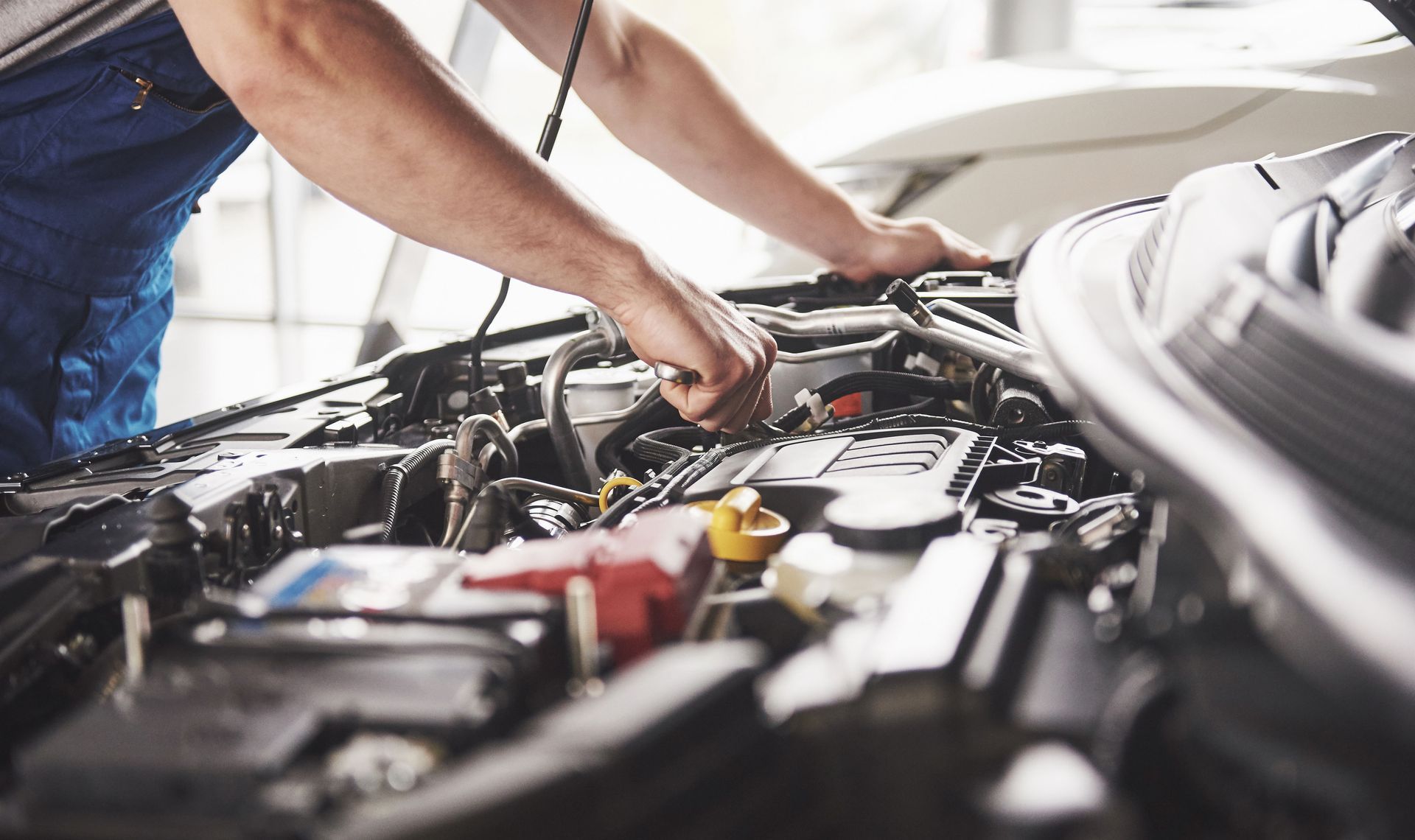
Once the paperwork is settled, the actual labor commences with structural restoration. If the frame or unibody of the vehicle has been compromised, it must be pulled back into alignment using heavy-duty machinery. This equipment uses laser measuring systems to ensure the car is straight within millimeters of its original factory specifications. Without this precise alignment, the vehicle might suffer from uneven tire wear, poor handling, or compromised safety in a future incident. Technicians at auto body shops take this stage very seriously, as the frame serves as the foundation for all other components.
According to NHTSA, in the United States, an estimated 39,345 people died in motor vehicle traffic crashes in 2024, about 3.8% fewer than the 40,901 fatalities in 2023. This statistic highlights the vital importance of ensuring that every structural repair is performed to the highest possible standard. When the frame is solid, the crumple zones can function as intended, protecting the occupants during an impact.
Applying Professional Paint Finishes
The most visual part of the transformation occurs in the paint booth. Achieving a seamless match between a new panel and the aged paint on the rest of the car is a blend of chemistry and art. Painters use computerized mixing systems to recreate the specific color code of the vehicle. However, since sun exposure can fade paint over time, the technician must often blend the new pigment into the surrounding panels to create an invisible transition.
The painting process generally involves several layers:
- A primer coat to seal the metal and provide a base for the color.
- Multiple base coats of the actual pigment to achieve the correct depth.
- A clear coat that provides the glossy shine and protects against ultraviolet rays.
- A final buffing stage to remove any dust nibs and ensure a glass-like finish.
This controlled environment prevents dust and debris from settling into the wet finish.
Conducting Final Quality Inspections
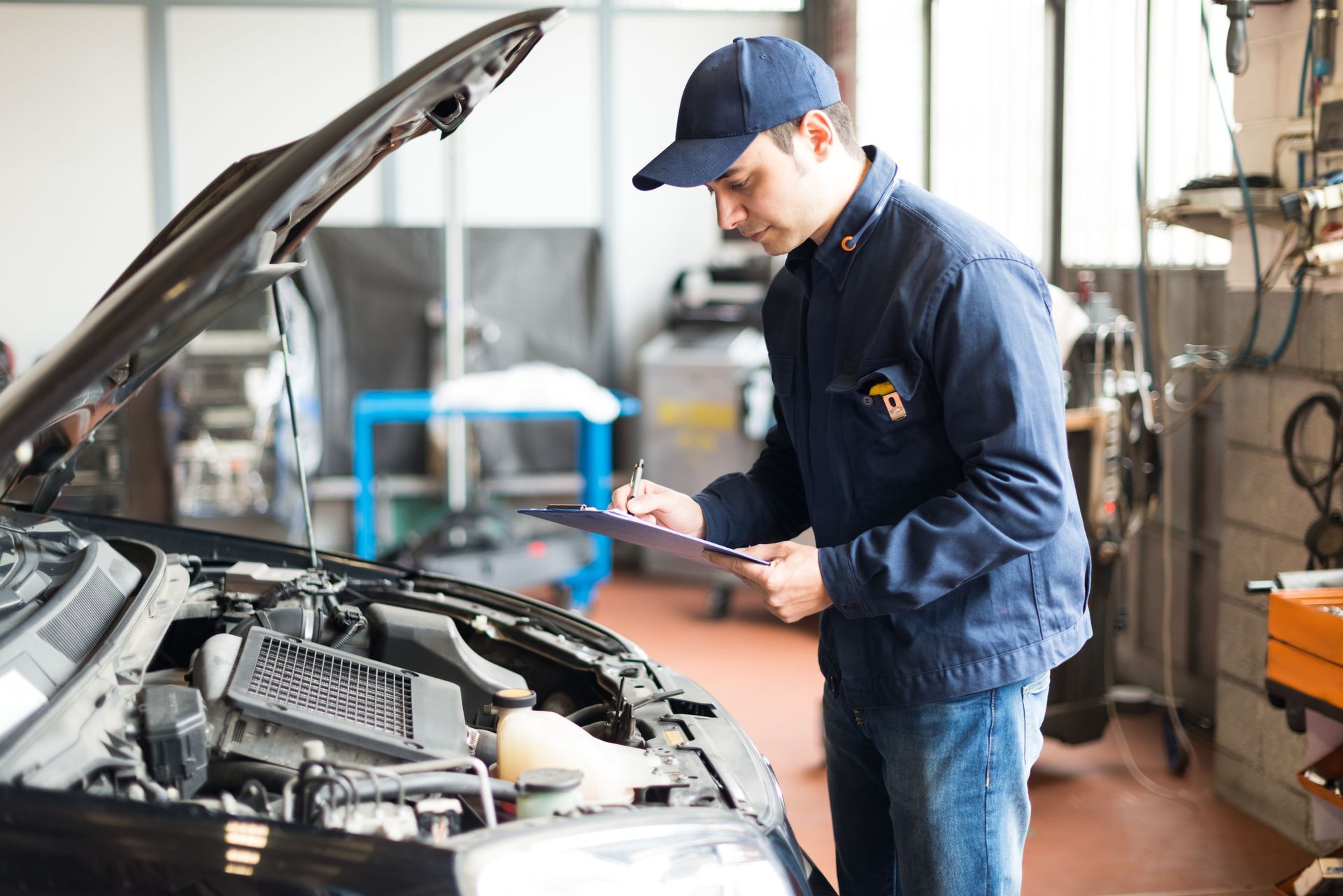
Before a vehicle is cleared for pickup, it undergoes a rigorous final inspection. A quality control manager will walk around the car, checking the gaps between panels to ensure they are even and consistent. They test the functionality of any components that were moved or replaced, such as door handles, locks, and lights. It is at this stage that the meticulous nature of elite auto body shops truly shines. Every bolt must be tightened to specific torque settings, and every sensor must be recalibrated to function with the car's onboard computer systems.
The interior and exterior are typically cleaned during this phase. After weeks of sanding and painting, a layer of fine dust often finds its way into the cabin, so a thorough detailing is necessary to return the car to pristine condition. This final check is the last line of defense against errors, ensuring that the customer receives a product that is not only beautiful but also mechanically sound and safe for their family.
Finalizing Pickup and Paperwork
The last step of the journey is the delivery of the vehicle back to its owner. When you arrive at the auto body shop to collect your car, a staff member will walk you through the repairs performed. They will explain the warranties provided on the labor and the paint, giving you peace of mind that the work is guaranteed for a specific duration. This is the time to ask questions about how to care for the new paint, as fresh finishes often require a waiting period before they can be waxed or taken through an automated car wash.
Reviewing the final invoice is also important to ensure all parts listed were installed and that the billing aligns with the insurance settlement. Most modern facilities will provide a digital or printed report of the alignment and scan tool results, proving that the electronic systems are clear of faults. Once the keys are back in your hand, the stress of the accident can finally be left behind.
Finding a reliable partner for your vehicle repairs is essential for maintaining its value and your safety on the road. When you require expert craftsmanship and transparent service, look no further than our dedicated team at Horizon Auto and Collision