February 10, 2026
Many vehicle owners assume that auto body repairs are only necessary after a major accident. In reality, cars and trucks experience wear, impact, and structural stress in ways that are not always obvious at first glance. Minor collisions, road debris, weather exposure, and even everyday driving conditions can gradually affect a vehicle's appearance, alignment, and overall integrity. When these issues go unaddressed, they can develop into more serious problems that compromise safety and value.
Recognizing the early signs that something is wrong allows drivers to act before damage becomes costly or permanent. Subtle changes in how a vehicle looks, drives, or sounds often point to underlying issues that require professional evaluation. According to Gitnux, 16% of the auto body repair industry revenue is accounted for by collision repairs, which highlights how frequently impact-related damage occurs, even when the damage isn't immediately visible. In this article, you'll learn how to identify common warning signs that suggest your vehicle should be inspected by a qualified auto body shop.
Noticeable Dents, Scratches, or Paint Damage
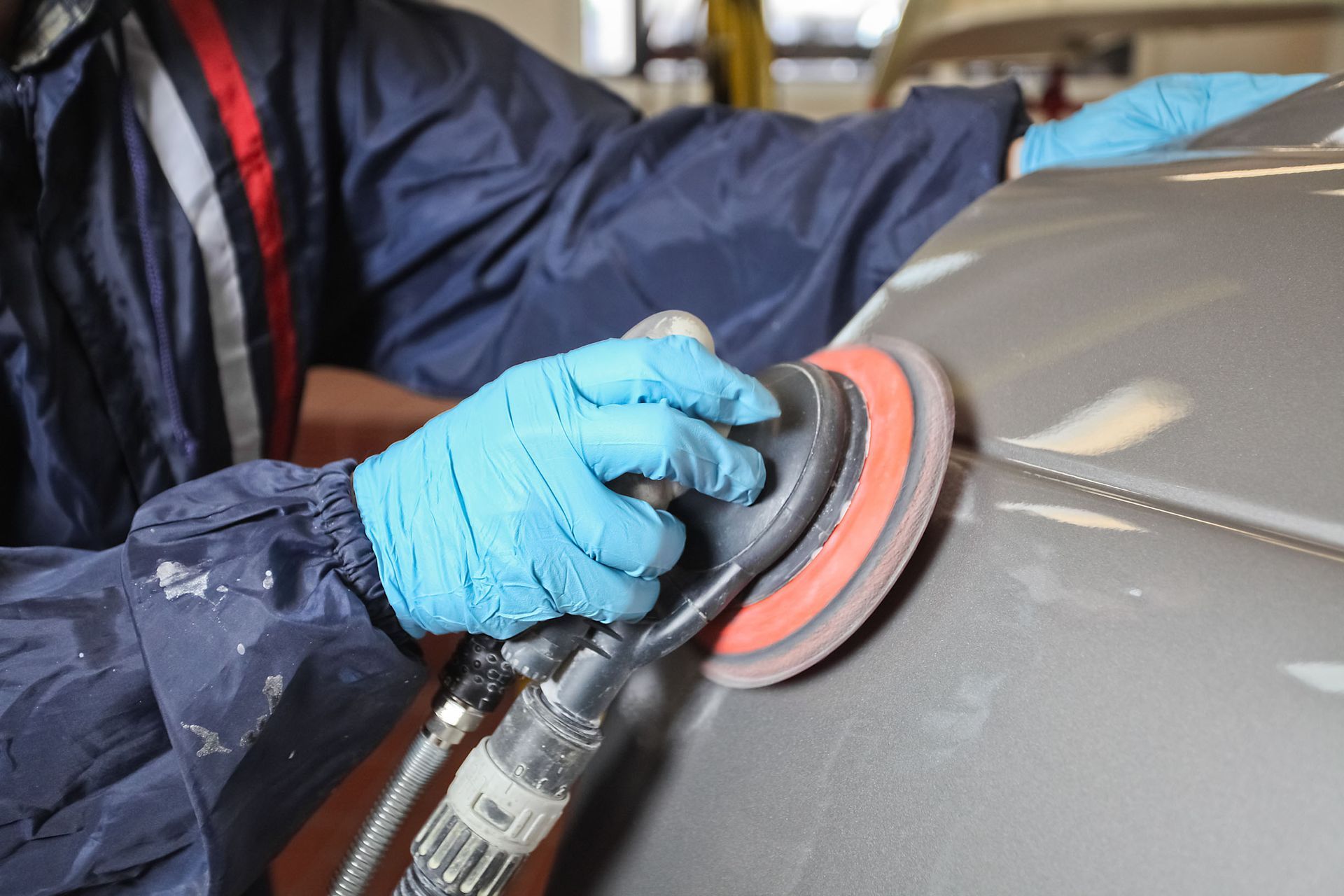
Visible exterior damage is one of the clearest indicators that a vehicle may need professional attention. Dents and scratches often result from parking lot incidents, hail, or contact with road debris. While these flaws may seem cosmetic, they can expose the metal underneath the paint, making it more vulnerable to rust and corrosion over time.
Paint damage can also affect how panels fit together and how the vehicle holds up against moisture and temperature changes. Even small imperfections may allow water to seep into seams and joints, gradually weakening the structure beneath the surface. An evaluation can determine whether damage is limited to the paint layer or if deeper repairs are needed to protect the vehicle's longevity.
Panels That Appear Misaligned or Uneven
When body panels no longer line up properly, it often signals underlying structural stress. Gaps between doors, hoods, or trunk lids that appear uneven may be the result of a previous impact, even if it occurred at low speed. These misalignments can affect how doors close, how seals function, and how air flows around the vehicle while driving.
Over time, misaligned panels can lead to additional wear on hinges and latches, making everyday use more difficult. They can also compromise weather protection, allowing water and debris to enter areas that should remain sealed. A professional inspection can identify whether realignment is possible or if hidden frame damage is contributing to the issue.
Difficulty Opening or Closing Doors and Trunks
Doors or trunks that stick, sag, or require extra force to open and close often indicate body or frame distortion. These problems commonly develop after a collision or from prolonged stress on the vehicle's structure. What starts as a minor inconvenience can quickly escalate into safety concerns if doors fail to latch properly.
Malfunctioning doors also affect side-impact protection and the performance of safety features designed to absorb force during an accident. A trained technician can assess whether the issue lies with hinges, latches, or the underlying body structure, helping restore proper function and safety.
Unusual Noises While Driving
New or unexplained noises should never be ignored. Rattling, creaking, or grinding sounds may point to loose panels, damaged mounts, or compromised components beneath the exterior. These sounds often become more noticeable when driving over bumps, turning corners, or traveling at higher speeds.
Such noises may indicate that parts of the vehicle are no longer securely attached or that previous damage was not fully repaired. Over time, loose components can cause further damage to surrounding areas. An inspection by an auto body shop can pinpoint the source of the noise and prevent additional deterioration.
Steering or Handling Feels Different Than Normal
Changes in steering response or vehicle handling often suggest alignment or frame-related concerns. If the car pulls to one side, feels unstable on the road, or responds sluggishly to steering input, there may be underlying body damage affecting suspension geometry. These issues can arise after collisions with curbs, potholes, or other vehicles.
Poor handling not only reduces driving comfort but also increases the risk of accidents. Addressing these concerns early allows technicians to determine whether adjustments, repairs, or more extensive corrections are necessary to restore proper control.
Visible Rust or Corrosion Spots
Rust is a common issue that can spread quickly once it begins. It often forms around wheel wells, door edges, and undercarriage areas where moisture and debris accumulate. While surface rust may appear minor, it can weaken metal components and compromise structural integrity if left untreated.
Corrosion also affects resale value and can spread beneath paint layers, making repairs more involved over time. An evaluation helps identify whether rust is superficial or has progressed into areas that require more comprehensive restoration.
Cracks or Damage to Bumpers and Trim
Bumpers and exterior trim are designed to absorb impact and protect more critical components. Cracks, splits, or loose trim pieces often indicate that the vehicle has experienced stress beyond normal wear. Even if the damage seems minor, it can reduce the bumper's ability to perform as intended during future impacts.
Damaged trim may also expose wiring, sensors, or mounting points that support safety and convenience features. A professional assessment can determine whether repair or replacement is the better option to maintain protection and appearance.
Warning Lights After a Minor Collision
Modern vehicles rely on sensors and electronic systems that are integrated into the body structure. After even a minor collision, warning lights related to airbags, stability control, or driver-assistance features may appear. These alerts often signal misaligned sensors or damaged components hidden behind panels.
Ignoring warning lights can compromise safety systems designed to protect occupants during emergencies. An auto body shop has the tools and expertise to diagnose these issues and restore proper system functionality.
Wind Noise or Water Leaks Inside the Cabin
Changes in wind noise or the presence of water inside the cabin often point to compromised seals or shifted body panels. These issues may develop gradually and become noticeable during rainstorms or at highway speeds. Over time, water intrusion can damage interior materials, electronics, and insulation.
Wind noise may indicate gaps that affect aerodynamics and fuel efficiency. Identifying and correcting these problems early helps preserve comfort and prevents further damage to the vehicle's interior.
Reduced Resale Value or Failed Inspections
Unaddressed body damage can significantly impact a vehicle's resale value and its ability to pass inspections. Buyers and inspectors often look for signs of prior damage, misalignment, or corrosion. Even well-maintained vehicles can lose value if cosmetic or structural issues are visible.
A thorough evaluation provides documentation of repairs and helps maintain the vehicle's market appeal. Addressing problems proactively often proves more cost-effective than attempting to resolve them just before selling or trading in the vehicle.
Vehicles often communicate their condition through subtle signs that are easy to overlook during busy daily routines. Dents, alignment issues, unusual noises, and handling changes all serve as indicators that something may be wrong beneath the surface. Recognizing these warning signs early allows drivers to address problems before they affect safety, comfort, or value.
Regular evaluations play an important role in preserving a vehicle's appearance and performance over time. If you notice any of the issues discussed above, scheduling an inspection with Horizon Auto and Collision can provide clarity and peace of mind. Taking action now helps protect your investment, supports safe driving, and keeps your vehicle looking and performing the way it should.